

The Democratic Republic of Timor-Leste
Mr. Francisco de Carvalho
“Educate children to success in life.”
School Address: EBF1, 2 Beedan Laclo, Manatuto, Timor-Leste

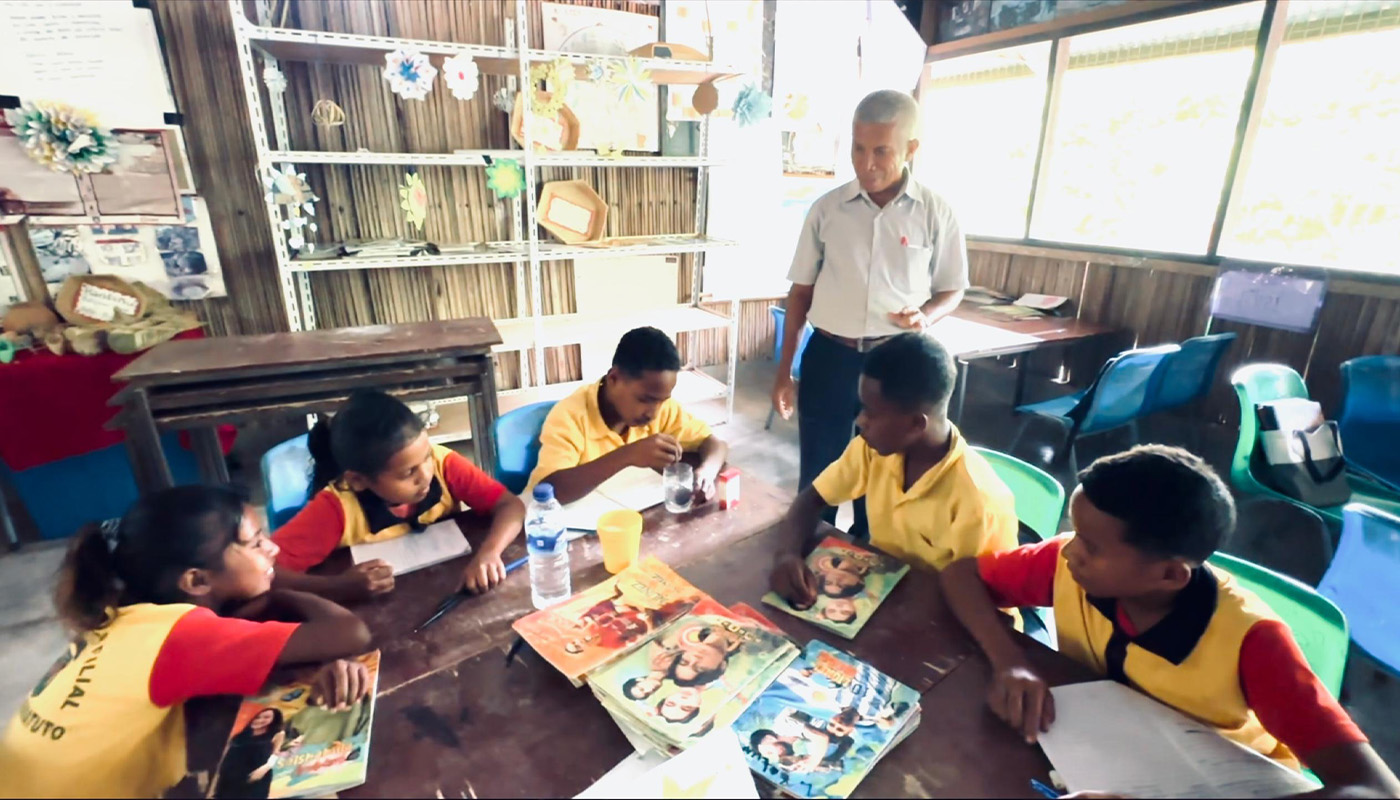
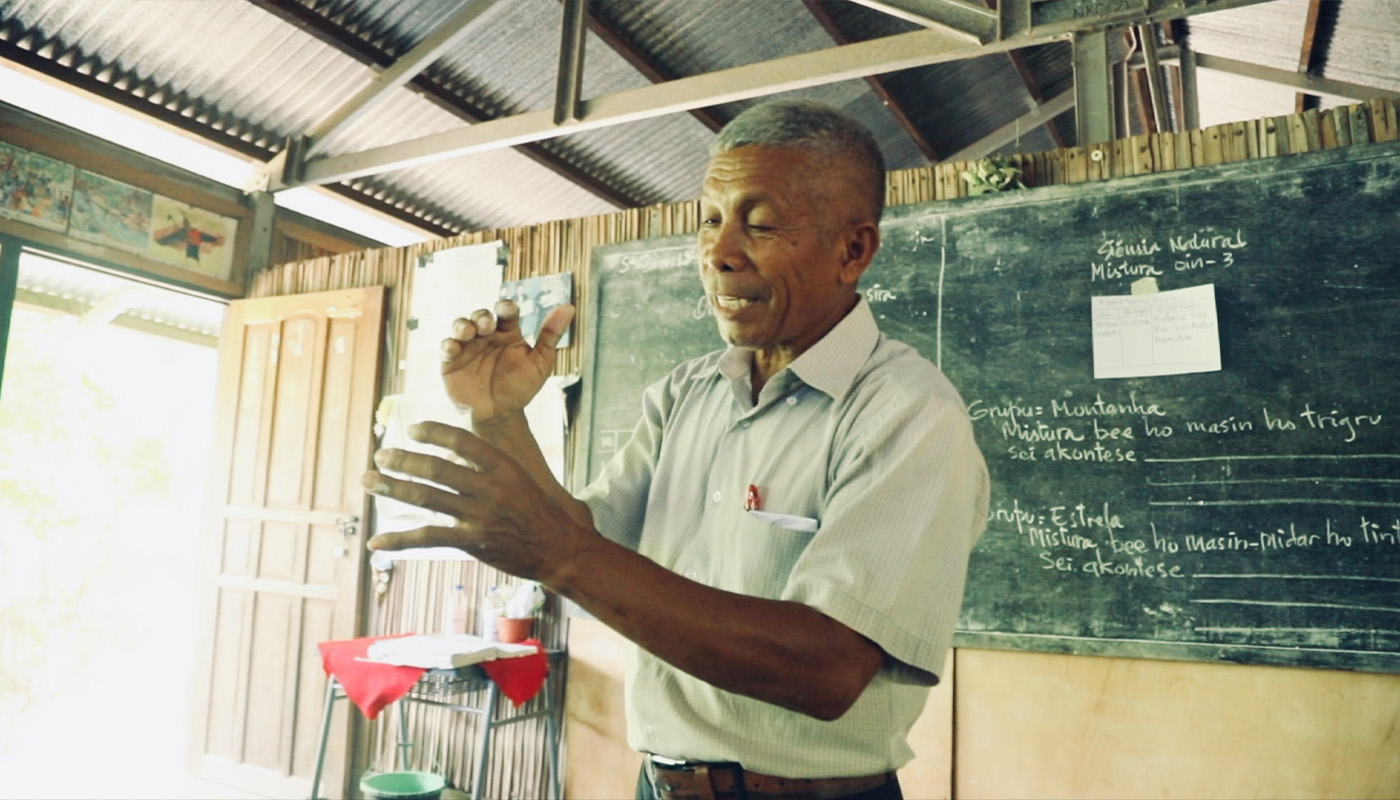
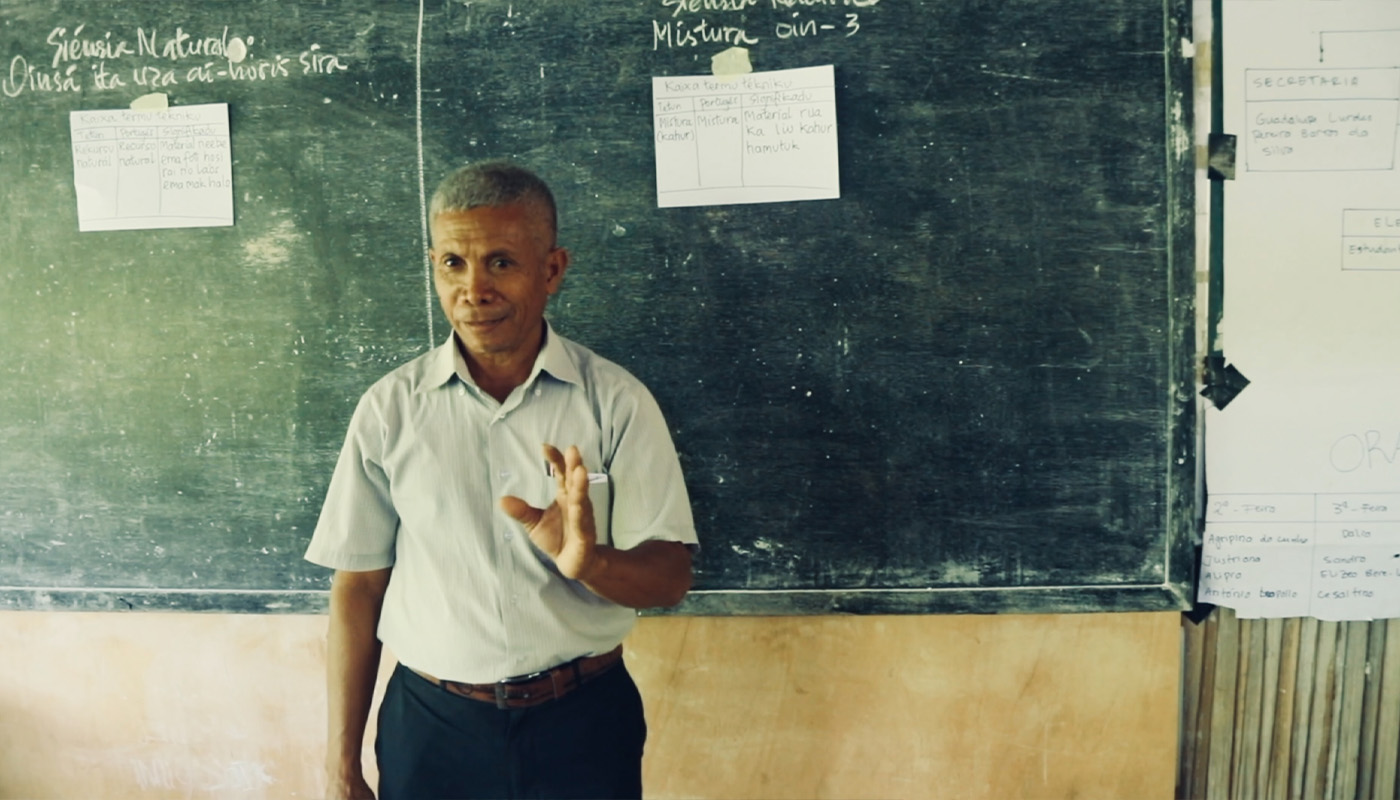
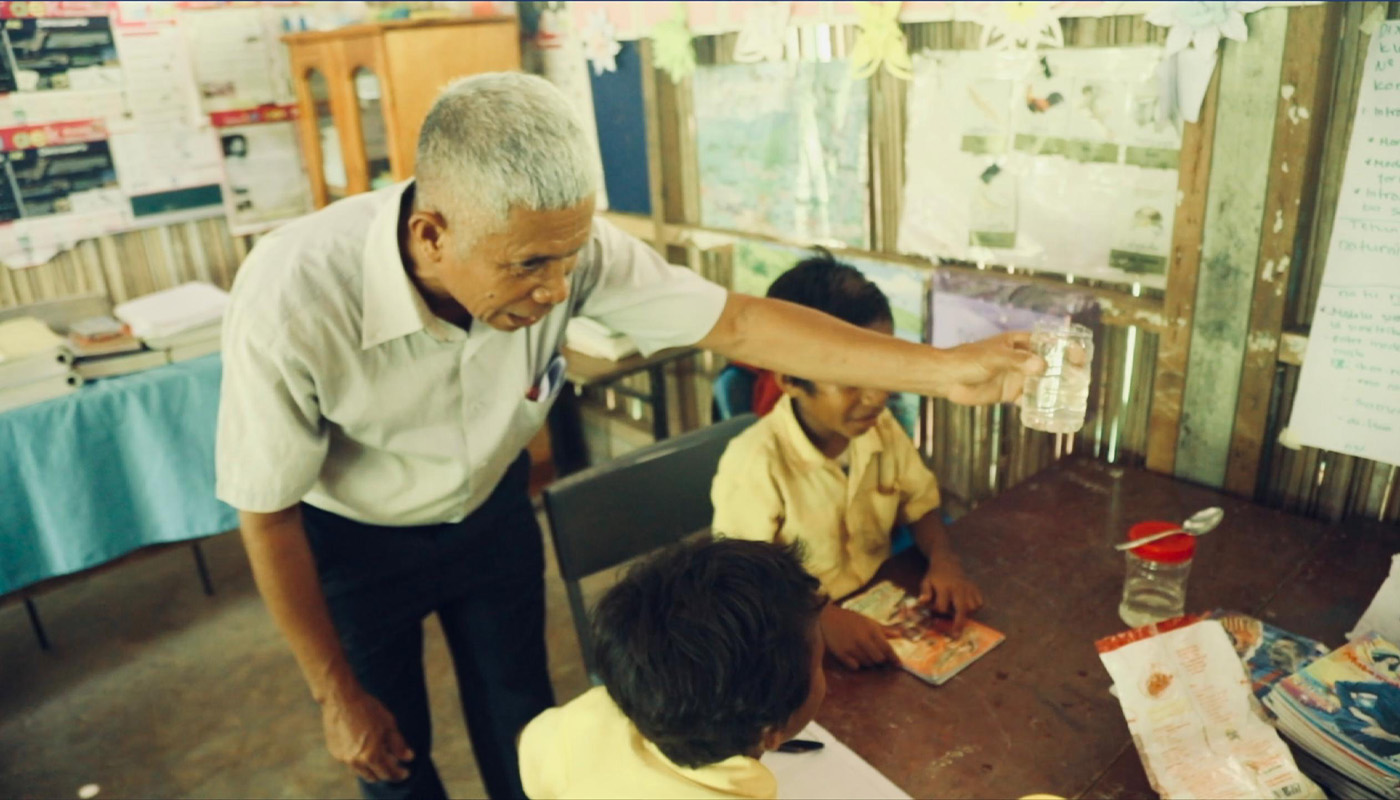
Mr. Francisco de Carvelho is a teacher and head of school who views teaching as a powerful platform for fostering student growth and positive community change. He has over 30 years of experience, ranging from classroom teaching to community engagement, aimed at ensuring that parents are active members of their educational community and providing students with the support they need in order to learn.
He uses a multigrade, child-centred teaching approach to ensure access to quality primary education by focusing on literacy improvement, best practices, and community awareness-raising of childhood development. He utilises local resources to enhance the teaching and learning process. Moreover, he engages with parents as well as internal and external agencies, including development agencies and international NGOs.
He also mobilises resources to support school operations. He creates an inclusive environment that encourages parental and community participation, resulting in increased attendance at school events. Through this approach, despite persistent resource limitations, his school continues to increase in student enrolment and participation.
Since his school teaches two languages, neither of which is the first language of the students, Mr. Francisco de Carvelho continuously encourages fellow teachers to apply the local language to introduce learning (if needed), as it fosters a sense of identity and belonging, and boosting children’s self-esteem and confidence. He also supervises teachers and administrative staff within his school.
– Bachelor of Education
2005
– School Coordinator and Head Teacher
1999
– Teacher, Beedan Primary School
– Participated in national workshops, including in curriculum and child-centred pedagogy
– Training of Trainer and follow up training for trainers of the Escola Nova programme
– Norwegian Refugee Council: School-based trainings
– One Hundred Child-Friendly Schools Training, UNICEF Timor-Leste
– Eskola Nova Training Pedagogy, UNICEF Timor-Leste
– Teaching and Pedagogy Strategy Training, Government of Norway
– Classroom Management Training, Ministry of Education, Timor-Leste
– Community engagement: He always tries to maximize limited resources to create meaningful opportunities for community and parental involvement, leading to enhanced communication between families and educators, by creating an inclusive environment that encourages parental
participation, even with limited resources, resulting in increased
attendance at school events.
– Focus on Mother Tongue: He continuously encourages his fellow teachers to apply local language to introduce learning (if needed) as it fosters a sense of identity and belonging, boosting children’s self-esteem and confidence in learning. His school has a rather complicated language situation, as it teaches two languages, neither of which is the first language of the students. All of the teachers speak a different local language from the students. However, they work through these linguistic barriers to support and help students learn as effectively as possible.
Multigrade Pedagogy, Early Grade Literacy, School Management, and Community Engagement
The Democratic Republic of Timor-Leste
Mr. Francisco de Carvalho
“Educate children to success in life.”
School Address: EBF1, 2 Beedan Laclo, Manatuto, Timor-Leste
Mr. Francisco de Carvelho is a teacher and head of school who views teaching as a powerful platform for fostering student growth and positive community change. He has over 30 years of experience, ranging from classroom teaching to community engagement, aimed at ensuring that parents are active members of their educational community and providing students with the support they need in order to learn.
He uses a multigrade, child-centred teaching approach to ensure access to quality primary education by focusing on literacy improvement, best practices, and community awareness-raising of childhood development. He utilises local resources to enhance the teaching and learning process. Moreover, he engages with parents as well as internal and external agencies, including development agencies and international NGOs.
He also mobilises resources to support school operations. He creates an inclusive environment that encourages parental and community participation, resulting in increased attendance at school events. Through this approach, despite persistent resource limitations, his school continues to increase in student enrolment and participation.
Since his school teaches two languages, neither of which is the first language of the students, Mr. Francisco de Carvelho continuously encourages fellow teachers to apply the local language to introduce learning (if needed), as it fosters a sense of identity and belonging, and boosting children’s self-esteem and confidence. He also supervises teachers and administrative staff within his school.
– Bachelor of Education
2005
– School Coordinator and Head Teacher
1999
– Teacher, Beedan Primary School
– Participated in national workshops, including in curriculum and child-centred pedagogy
– Training of Trainer and follow up training for trainers of the Escola Nova programme
– Norwegian Refugee Council: School-based trainings
– One Hundred Child-Friendly Schools Training, UNICEF Timor-Leste
– Eskola Nova Training Pedagogy, UNICEF Timor-Leste
– Teaching and Pedagogy Strategy Training, Government of Norway
– Classroom Management Training, Ministry of Education, Timor-Leste
– Community engagement: He always tries to maximize limited resources to create meaningful opportunities for community and parental involvement, leading to enhanced communication between families and educators, by creating an inclusive environment that encourages parental
participation, even with limited resources, resulting in increased
attendance at school events.
– Focus on Mother Tongue: He continuously encourages his fellow teachers to apply local language to introduce learning (if needed) as it fosters a sense of identity and belonging, boosting children’s self-esteem and confidence in learning. His school has a rather complicated language situation, as it teaches two languages, neither of which is the first language of the students. All of the teachers speak a different local language from the students. However, they work through these linguistic barriers to support and help students learn as effectively as possible.
Multigrade Pedagogy, Early Grade Literacy, School Management, and Community Engagement